a4828-8fff3289-24bb-4e97-bc10-5e6593461b0b

Jim asked what was for dinner.  A fleeting look of fear flashed behind those beautiful blue eyes of his as the words came out of his mouth.  He remembers the last time we did the GHCC Challenge.  He hadn’t forgotten the horror of The Vegetable Flan of Nightmares.  “Brown Stew” I replied, lowering my chin to my chest and grinning in a manic fashion.  I don’t help matters in the house y’know.

IMG_7230

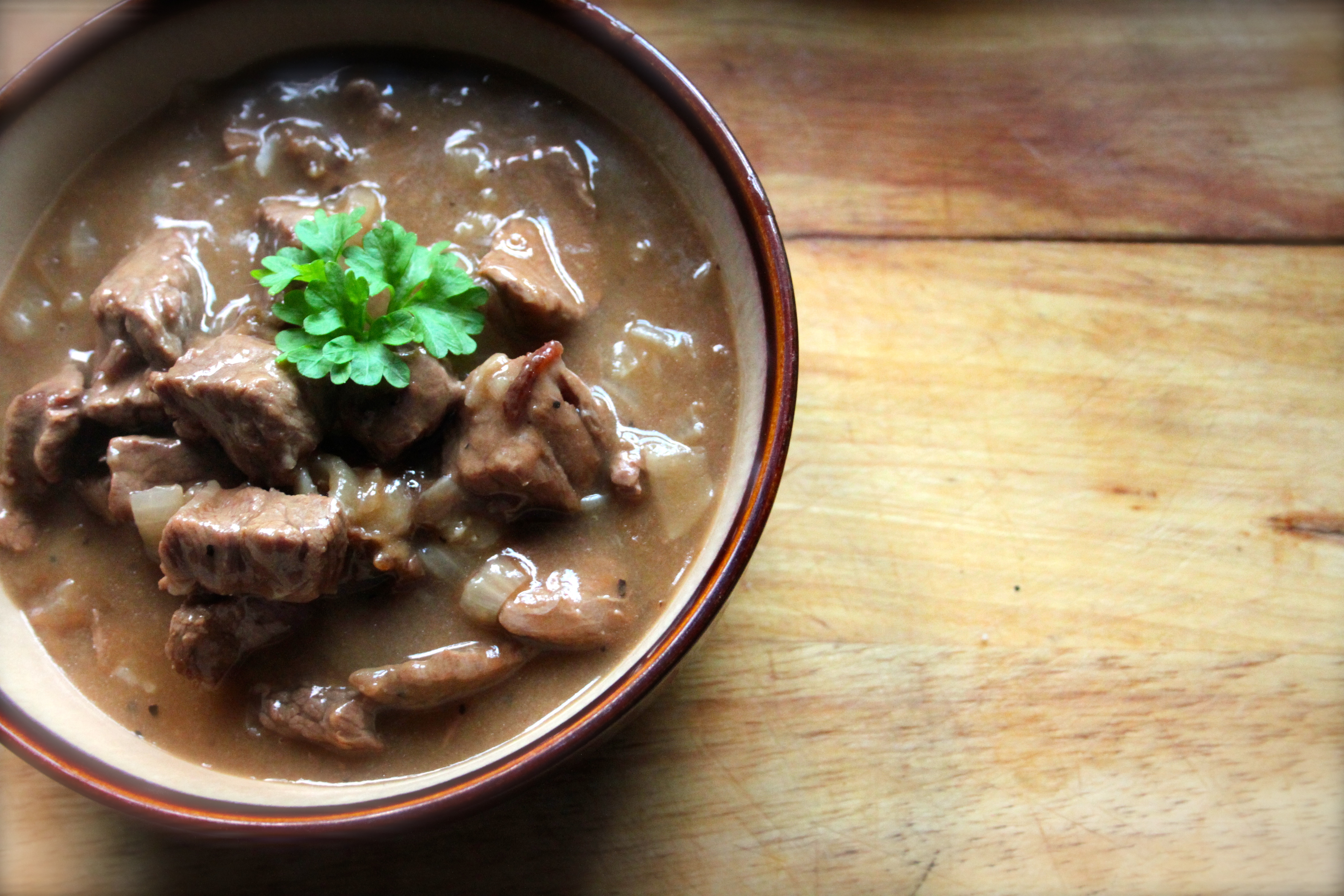
I shit you not (probably the wrong phrase to use here). Brown Stew. That is the name given in the GHCC. Sounds really appetising and appealing. And that’s exactly why I picked it.

“But, what’s in it?” he asked, coming into the kitchen and peering into the cast iron casserole pan as I called him.

“Brown”, I replied.

He still ate it. I ate it.  It was good.
IMG_7235

Simple beef stew might have been a better name for it though.

Taste?
Really good considering the short ingredient list and unfortunate name.

Difficulty?
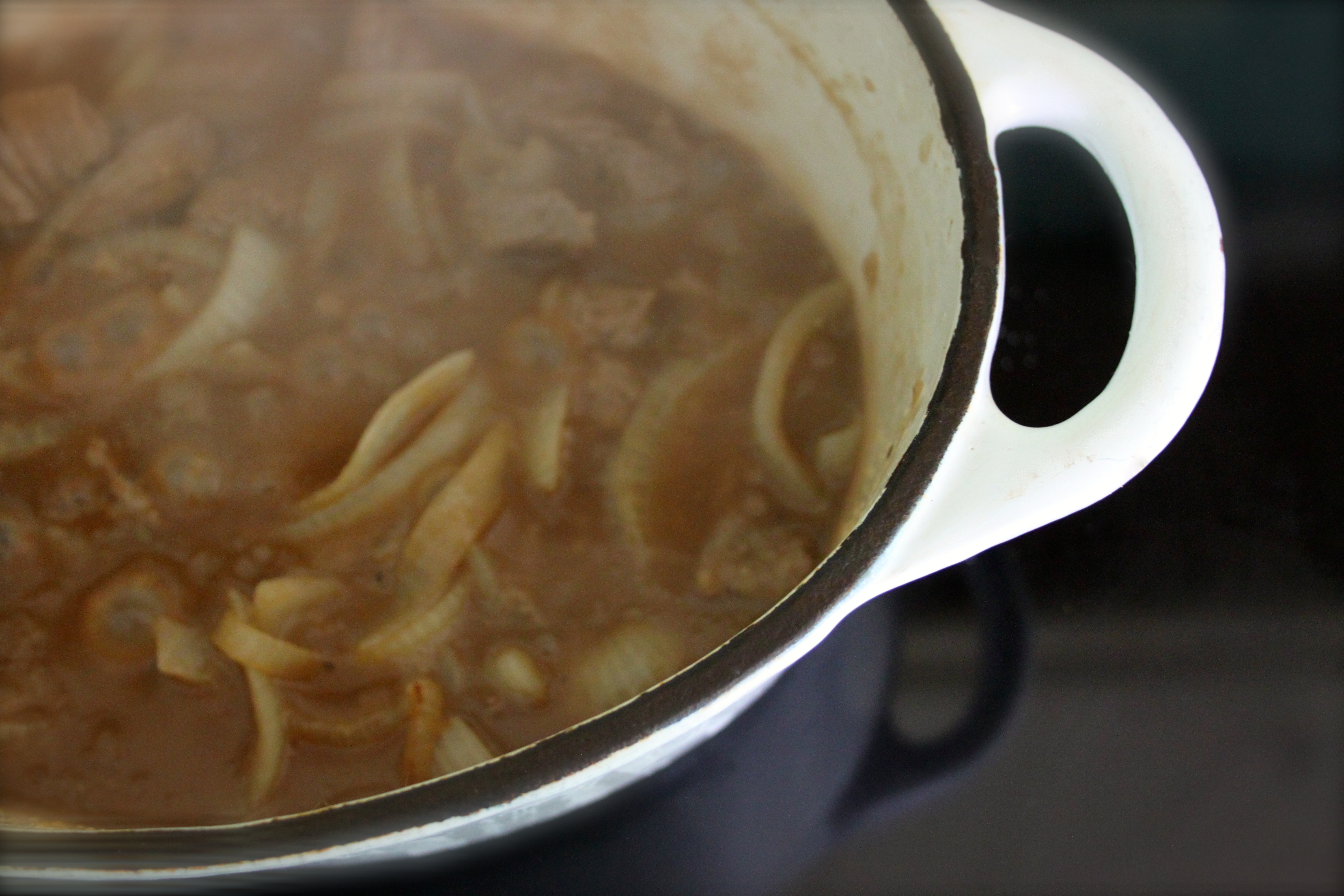
Easy as pie. If you can chop an onion and fry off some stewing steak without burning the house down then you are good to go. Plain flour is the thickening agent.
IMG_7232

Make again?
It takes two hours on a stovetop. Maybe adapt it to the slow cooker and bulk it up with veg. And red wine. Defeats the object though.

Learn anything new?
You can make a simple stew with five ingredients and a bit of seasoning.

Alterations?
None, apart from scaling it down for two.

Score (out of 10)
A warm, cozy, brown 9 out of 10

You can find this recipe on page 36 of the GHCC.  You can read about the challenge so far by clicking here.
a4828-8fff3289-24bb-4e97-bc10-5e6593461b0b

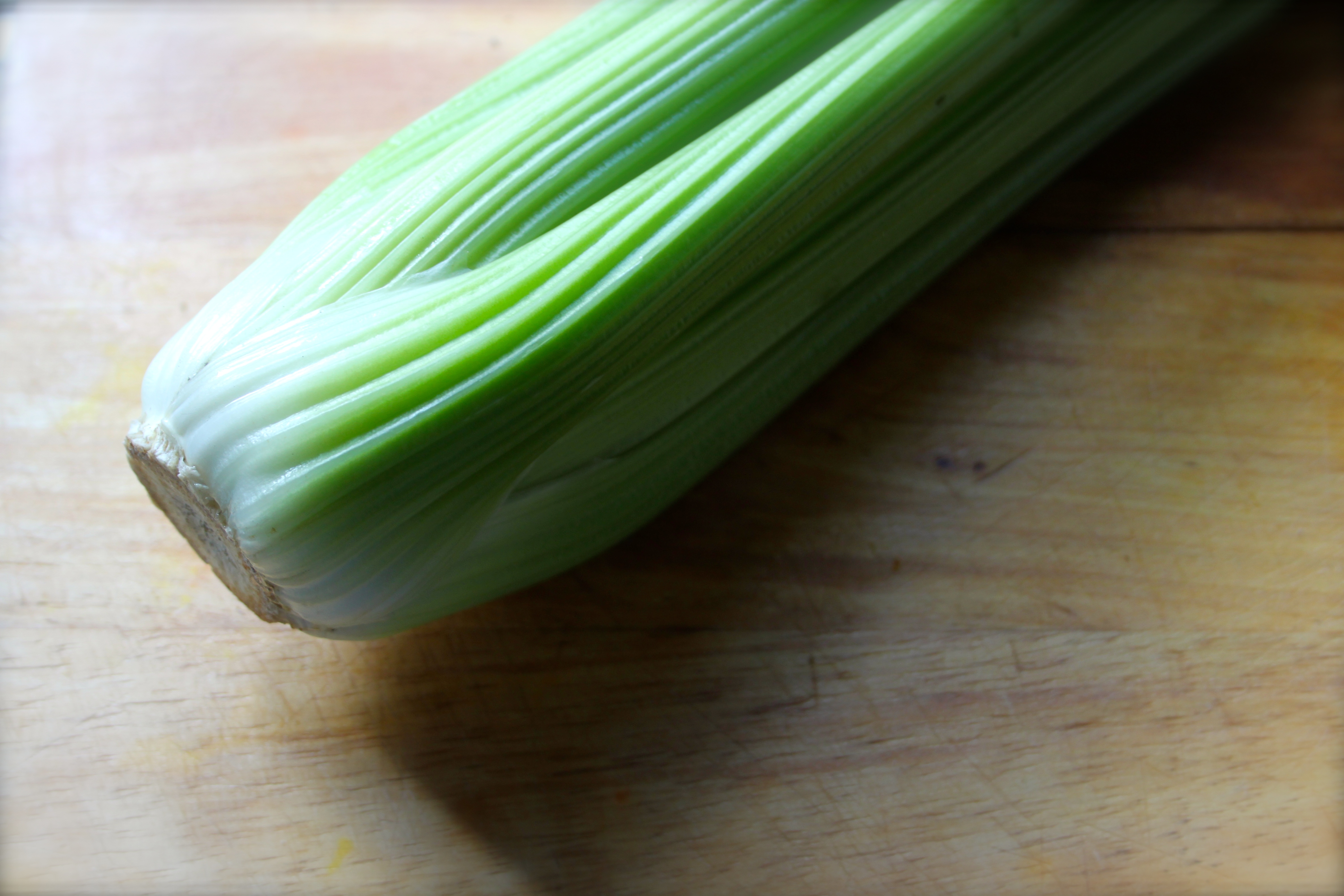
IMG_7213I can’t quite understand why people don’t like celery. It’s so versatile.  It’s the back bone of a good stew. It’s a crunchy snack.  It even has it’s own built in cream cheese/peanut butter channel. What isn’t there to love? (Actually, I did some research.  This article is good, comments are even better)

Will this dish soften even the hardest of celery haters? Maybe. Maybe not.  Is it an underrated star in the GHCC? Yes.

IMG_7215

It’s more of a side dish kind of malarky but as a light lunch with something carby or salady it was perfect. The crisp and crunchy hearts soften in the stock and turn sweet and glistening.

Taste?
Good. Actually, brilliant.

Difficulty?
Piss easy. Prep your celery hearts by slicing them in half and then fry them off until “lightly browned”. Season and simmer in stock until soft. This can take a little time.

IMG_7221

Make again?
A thousand times yes.

Learn anything new?
Not really. It’s pretty bog standard, although probably the best way to ever cook celery. Ever. In the history of celery.

Alterations?
The GHCC is fond of dripping.  I used butter.  Stock type isnt specified so we used a vegetable stock cube.  We cut down the recipe for two people using two whole hearts.

Score (out of 10)
Yes. 10 out of 10 for celery lovers.

This recipe can be found on page 49. You can read more about this challenge by clicking here.

IMG_7220

a4828-8fff3289-24bb-4e97-bc10-5e6593461b0b

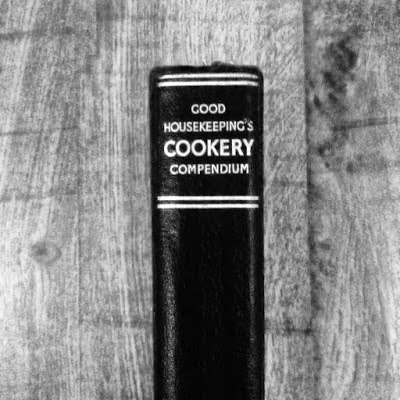
At the end of 2013, over on my old blog Corner Cottage Bakery, I decided that it’s sad that some cookbooks don’t get used and so pulled the heaviest, oldest and dustiest tome off the shelf and cooked an entire week of dinners from it. The 1956 Good Housekeeping’s Cooking Compendium (GHCC). We made some curried mince crap that had apples and raisins in it, cauliflower soup, weird bacon wrapped thick mince filled roux that we battered and deep fried, The Vegetable Flan of Nightmares, and a suet pastry meal roll. It had highs and most definite exceptionally painful lows.

I won’t ever lie to you. It’s taken over a year to dull the painful memories of the Good Housekeeping’s Cooking Compendium Challenge that happened that September.  Dulled them to the point where I decided to have another bash at it.  What’s got two thumbs and is a sucker for punishment? This girl.

What could possibly go wrong?

Lets hang out for the next seven days as I walk you through another week of the GHCC Challenge.

The premise was fairly simply.  I picked five savoury recipes from the GHCC.  I cooked them as close to the recipe as I could manage and then wrote a little about each one under the following headings:

Taste?
Difficulty?
Make again?
Learn anything new?
Alterations?
Score (out of 10)

If you want to read through all the previous posts, you can click here; or head back up the page and click on each of the dishes listed.

This year, I’m upping the ante.  We’re going to smash a couple of sweet recipes in there as well.  I’ll apologise now for the next few posts.  There probably will be swearing and some serious poor photography.  See you in the morning for the first installment…

*gulp*

IMG_7859

We’re all in for making stocks from our Sunday roast bones or those wilty looking vegetables in the bottom of the fridge. We’ll mush overripe bananas into banana bread and occasionally roast leftover butternut squash seeds but how far is too far for the full time, commuting, running, part time studying human being? Time is a precious thing.

IMG_7873

I mean, I meal plan to cut down on waste but am I going to save the juice from when I chop tomatoes or keep my spring onion ends in a glass of water?

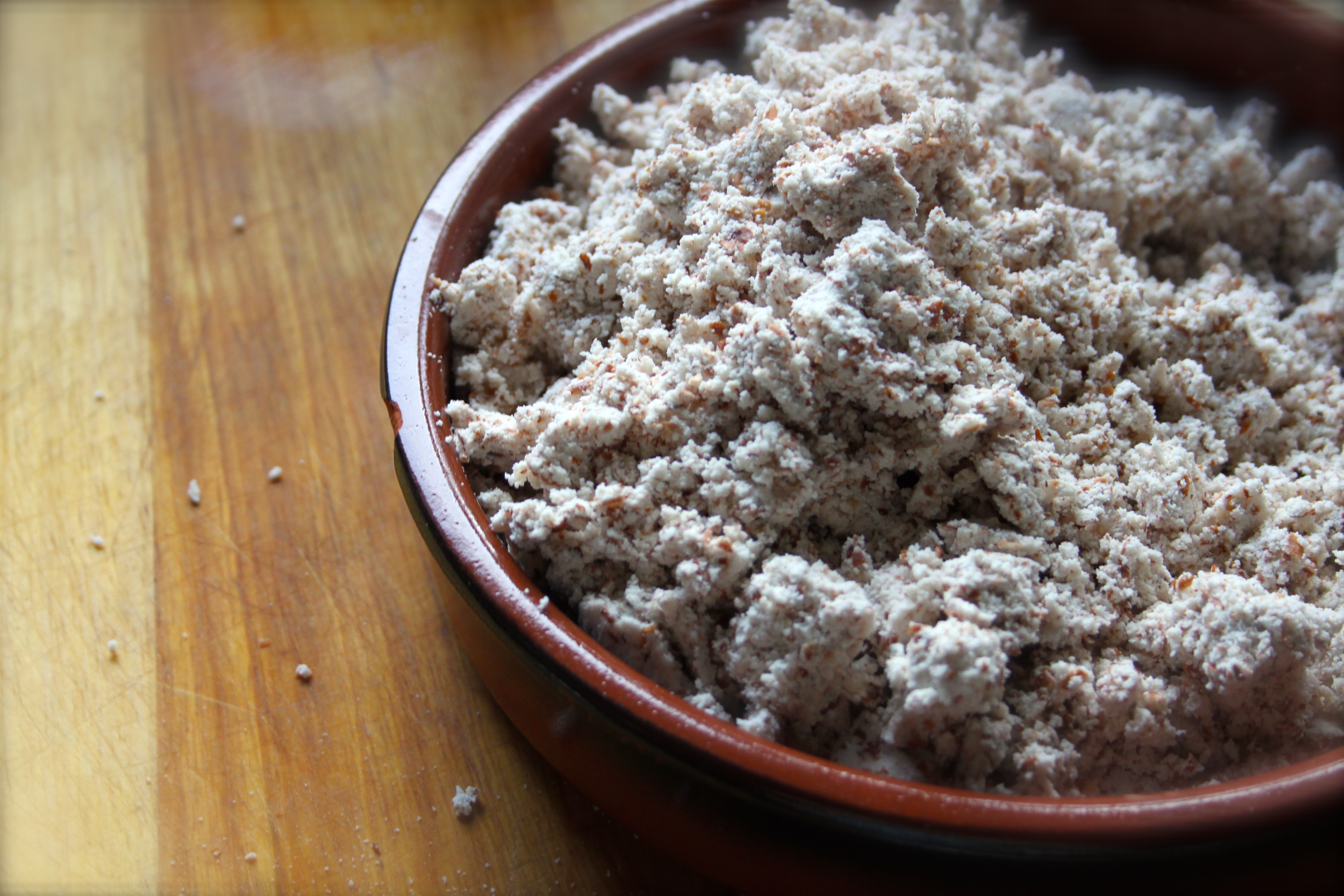
If there is a handful of something I might toss it in the compost bin. But this is a different matter. What do you do with the leftover pulp from making almond milk?

IMG_7861

Ingredients
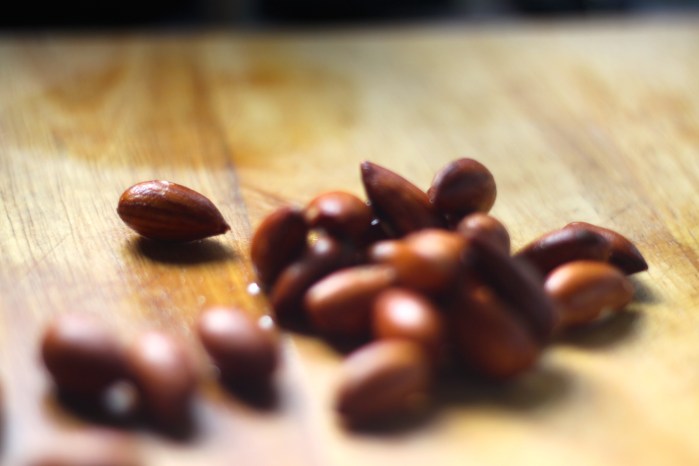
2 cups of almonds
Water
Salt
Vanilla extract (optional)
Sweeter of your choice (optional)

IMG_7866

Method
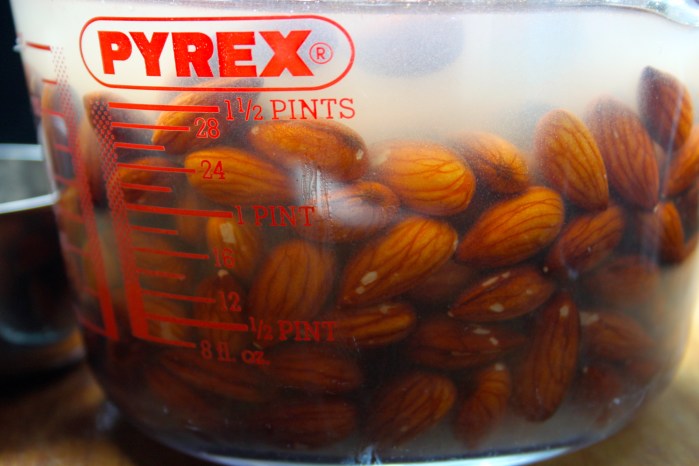
1, Soak your almonds in water overnight. They will loose their natural almond wrinkles as they soak.
2, Rinse them well and then put them in your blender. For every cup of almonds you used, add in two cups of water and a tiny pinch of salt.
3, Blend until the almonds have been broken down as finely as you can manage. Try not to blend it for too long as you don’t really want it being too warm.
4, Strain the entire lot through a cheesecloth over a fine sieve. Let this strain through for ten minutes and then gather up the ends of the cheesecloth and squeeze it until you get out as much milk as you can.
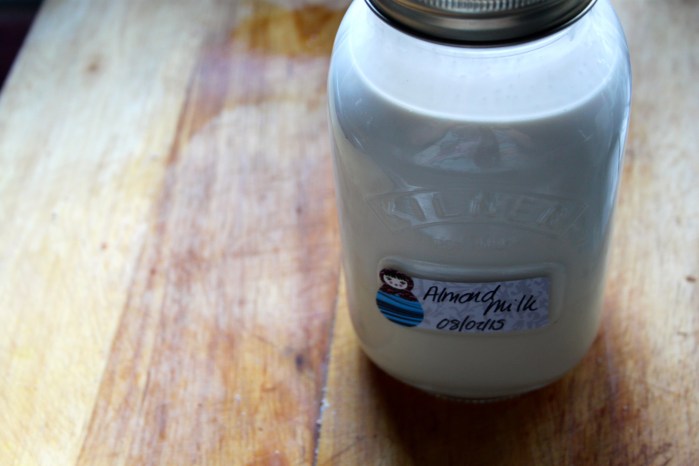
5, Decant into a sterilised bottle or large mason jar and add in any sweetness or flavourings you like. I like half a teaspoon of vanilla extract in mine.
6, Pour on things like cereal, make porridge, slosh in coffee. Win at life.

IMG_7870

But seriously, what do you do with the leftover pulp?

IMG_7850

If there was one baked good I could consign to the depths of hell, it would be flapjacks. I hate flapjacks.

Seriously. There is nothing more depressing than chewing a mouthful of oats for what seems like an eternity. No matter how much chocolate, nuts or fruit you put in them, they are not interesting. They are dull. Whilst I think I should like them and occasionally try, only to spit the gooey oat shit out into my bin swiftly followed by the rest of the flapjack, they have no redeeming features. They look nice but I can’t get my head around them. They are just not enjoyable.

IMG_7851

So if you have oats in your cupboard and think “YAS. Today I will make flapjacks” just stop. You can make something infinitely nicer than a flapjack. You can make date bars. Not a flapjack.

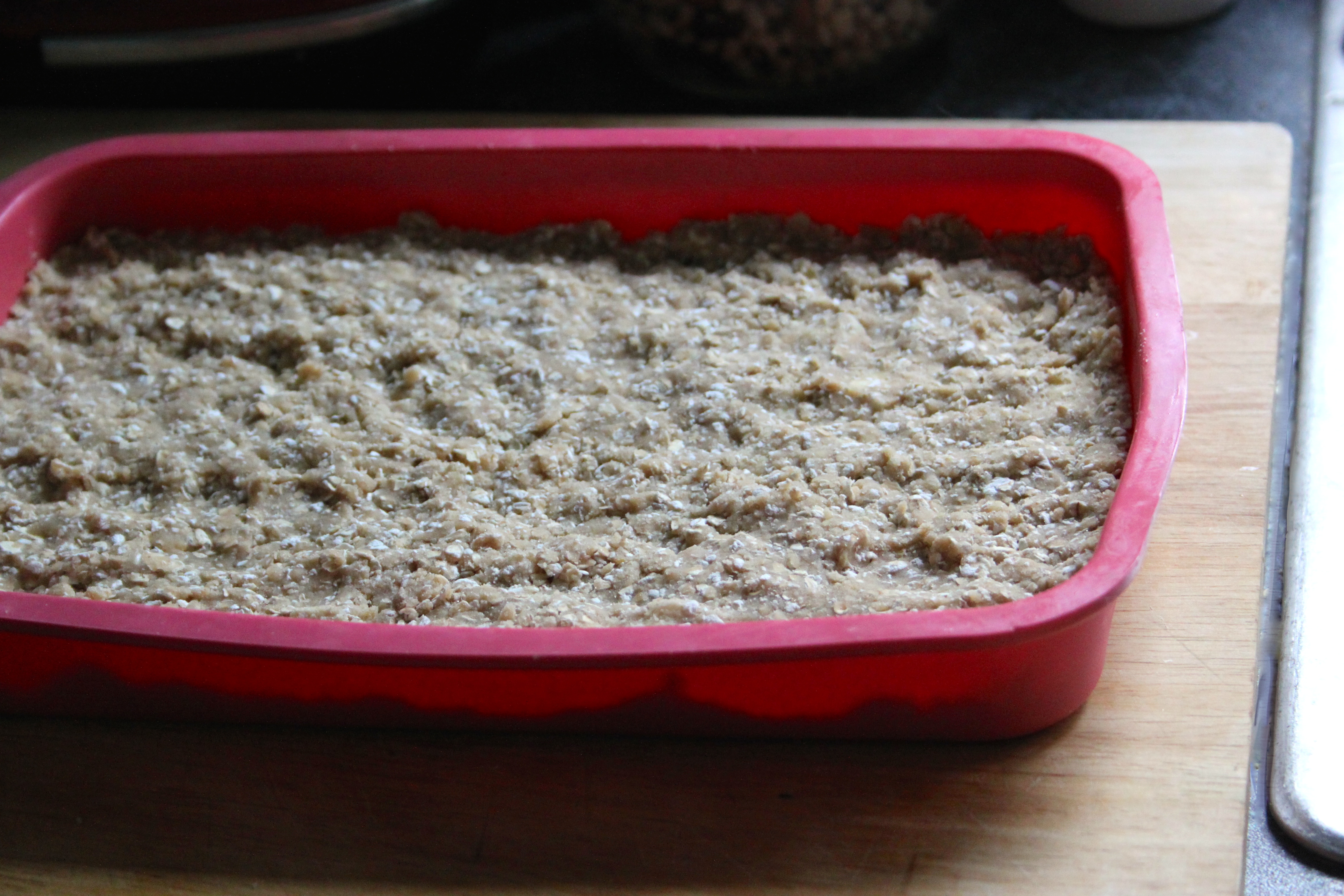
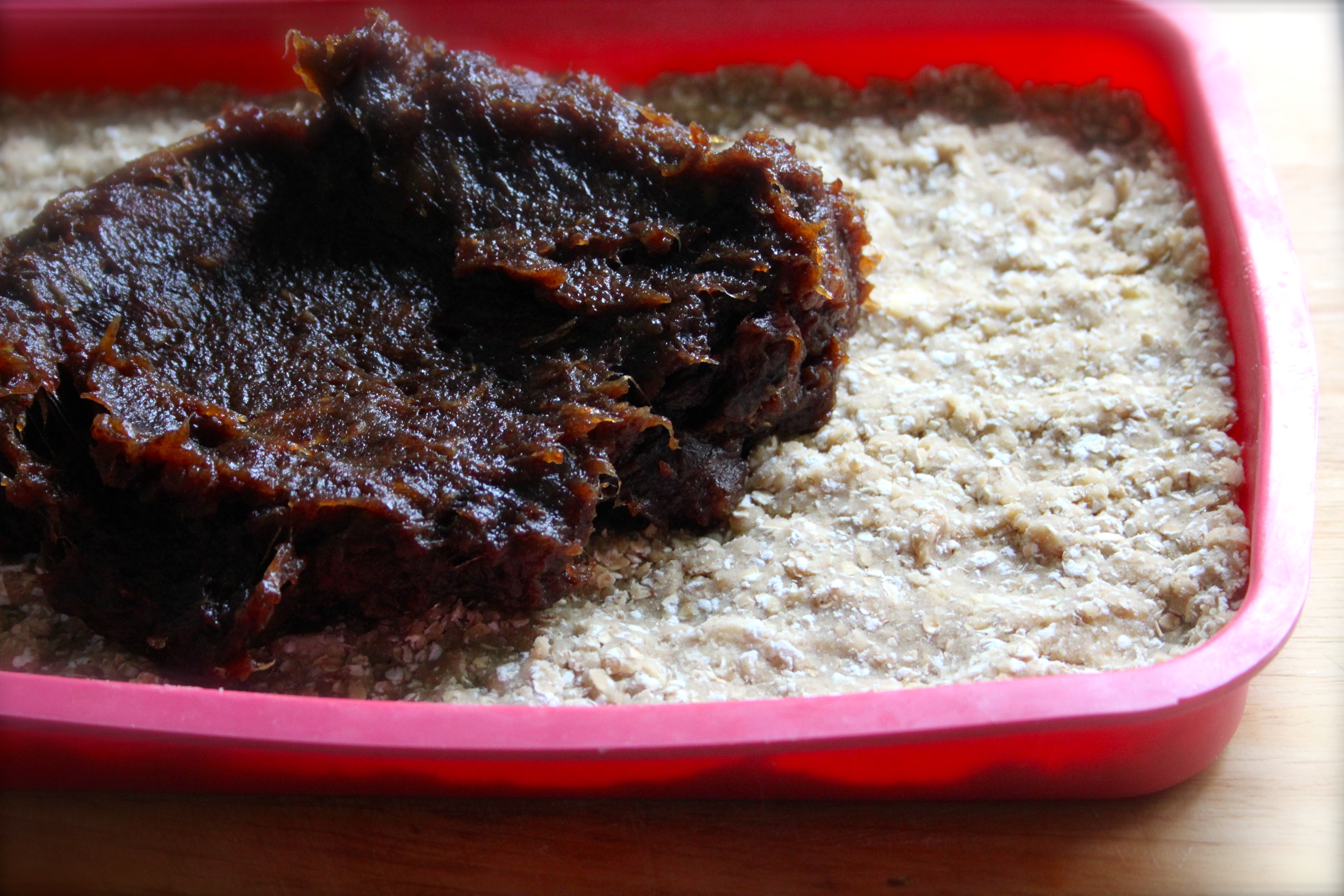
IMG_7854This is the best recipe I found for date bars. I doubled the vanilla extract in the date filling and didn’t bother to puree it as my dates were soft and the skins weren’t tough at all.  I found using a silicone tray tin the best for this as it meant I could cool it completely without the risk of sticking.

Is there anything that you hate as much as I hate flapjacks?  Or is there a flapjack in your life that you think could turn me?  I’d love to hear about it!